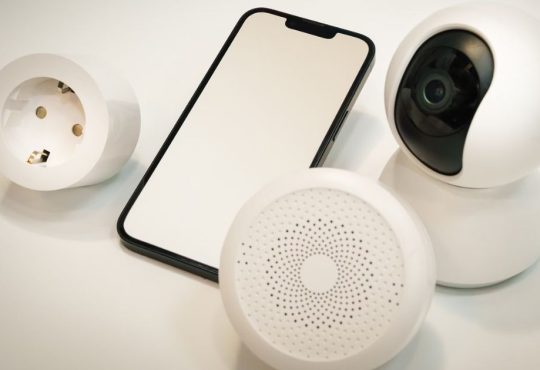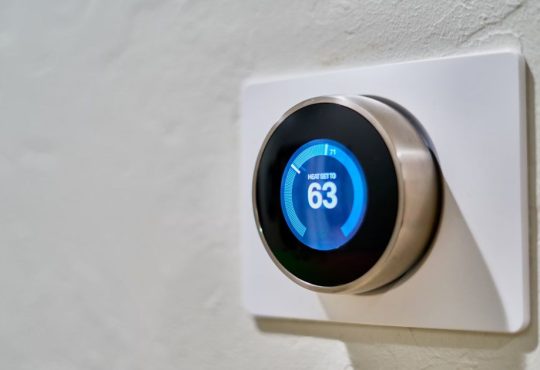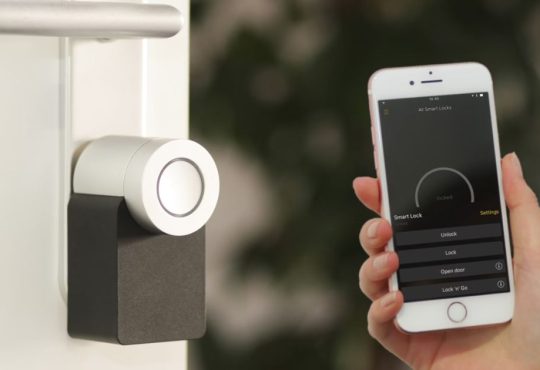


When building a smart home, the right tools can make your space safer, more efficient, and easier to use. One of the keys to this setup is choosing the best smart home sensors for Alexa so everything works smoothly with voice commands and routines. From motion and contact sensors to temperature detectors and more, the right sensors can help automate lights, alert on unexpected activity, and keep conditions comfortable. This article looks at the latest reviews and findings from 2026 to guide you in choosing smart home sensors that suit every room and purpose.
More people are now expecting their devices to work with Alexa without complicated setup or multiple apps. This means sensor choices have shifted toward a smoother experience, broader compatibility, and smarter automation. Reviews and industry updates show that smart home sensors are more capable, affordable, and easier to install than ever, making it a good time to upgrade your home automation system.
Why Smart Home Sensors Matter
Smart home sensors are small devices packed with big features. Some detect motion, others monitor doors and windows, and certain sensors watch temperature and humidity. When these sensors are connected to Alexa, they can trigger actions automatically, like turning on lights when someone enters a room or notifying you if a door opens unexpectedly. This adds both convenience and security to everyday life.
Experts say automation that reacts to real conditions is where smart home tech has the most value. Smart sensors help make that happen by feeding real-time information into your system so that lighting, climate, and security can respond on their own. Automation can save energy, enhance convenience, and improve safety around the house.
Choosing The Best Smart Home Sensors For Alexa
Picking the best smart home sensors involves understanding what matters most to you. Here are key factors to consider:
Compatibility
Sensors should connect easily with your Alexa setup, ideally without needing a separate hub or too many extra apps. Some sensors work directly with Alexa, while others use protocols like Zigbee or Wi-Fi and may need a bridge or hub for voice integration.
Functionality
Think about what you need. Motion sensors are great for lights and security. Door and window sensors can alert you to entry. Temperature and humidity sensors help manage comfort and climate control.
Ease Of Setup And Use
Look for devices that are easy to install and manage through the Alexa app or a single companion app. No one wants a setup that takes hours or multiple tools to configure.
Battery Life And Reliability
Long battery life and reliable alerts are especially important for sensors that sit in hard‑to‑reach places. You don’t want to replace batteries every few months.
Best Smart Home Sensors For Alexa
Here’s a guide to highly rated smart home sensors that work well with Alexa. These choices cover a range of needs from security to automation and climate monitoring.
Motion And Presence Sensors
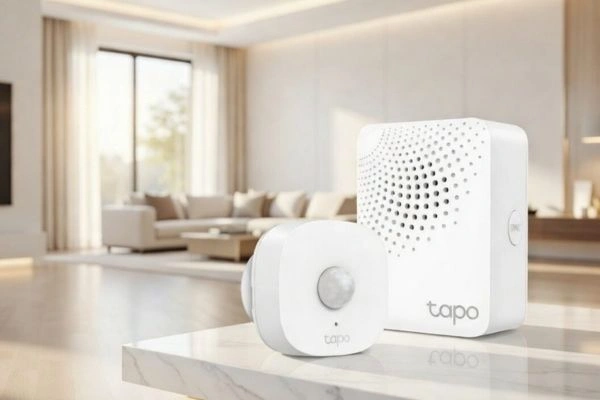
1. TP-Link Tapo T100 Smart Motion Sensor
This motion sensor is a solid all‑rounder for indoor spaces. It connects directly to Wi‑Fi and works seamlessly with Alexa, allowing routines like turning lights on when motion is detected. Its reliable performance and fast response time make it a top choice for areas where tracking activity is important. The compact design allows it to blend easily with any home decor. It also features energy‑saving settings to reduce unnecessary alerts when rooms are empty. Many users report consistent connectivity and minimal setup issues, which adds to its convenience.
2. Aqara Motion Sensor P1 Trio Bundle
Aqara’s motion sensors offer broad home coverage in this bundled pack. They can be placed in multiple rooms and work with Alexa through compatible hubs to automate various functions. These sensors are excellent for triggering lights, security alerts, or other smart devices based on movement patterns. They use precise detection technology to minimize false alarms from pets or small movements. The bundled set is convenient for larger homes where multiple sensors are needed for complete coverage. Customers appreciate the combination of affordability and high performance in a single package.
Contact And Entry Sensors
3. Xiaomi Dw-s02d Door Sensor
This door sensor monitors the opening and closing of doors or cabinets effectively. When paired with Alexa, it can send instant alerts or trigger automated actions, such as turning on lights when someone enters a room. The device is easy to install and works reliably in most home environments. It supports both small and large doors without compromising sensitivity. Its compact size ensures it remains discreet while providing constant monitoring. Users have noted that it maintains a stable connection, which is essential for dependable home automation.
4. SwitchBot Contact Door Sensor
This contact sensor is highly accurate and provides reliable triggers for entry detection. It can work with Alexa to send alerts or automate other smart devices whenever a door or window is opened or closed. The sensor is suitable for both residential and small office environments. Its installation requires no wiring, making it easy to set up in any location. The device also integrates with routines to enhance home security and convenience. Users report minimal maintenance while enjoying responsive notifications.
5. Lasco Smart Wi-Fi Door Sensor and Window Sensor
This budget‑friendly sensor still delivers seamless voice control and automation. Magnetic sensors monitor doors and windows and work with Alexa routines without the need for additional hubs. The setup process is simple and straightforward, even for beginners. It is lightweight and easy to position on various frames and surfaces. The device provides real‑time alerts to your smartphone or smart speaker. Many users highlight its affordability without compromising essential smart features.
Environmental Monitoring Sensors
6. SensorPush HT.w Smart Temperature & Humidity Sensor
This high-rated sensor provides accurate temperature and humidity readings for improved home comfort. When connected to Alexa, it can manage smart thermostats or send alerts if environmental conditions exceed set ranges. It is compact and portable, allowing placement in any room or space. The sensor stores historical data to help track trends and optimize climate control. It operates quietly without interfering with other smart devices. Reviews show users value its precision and reliability in maintaining a comfortable living environment.
7. Tuya Smart TH08 Wi-Fi Temperature Humidity Sensor
This more affordable sensor monitors both temperature and humidity and works well with Alexa for basic home climate control. It provides timely updates to help maintain comfortable indoor conditions. The device is easy to set up and operates over Wi-Fi, which eliminates the need for a hub. It is ideal for small apartments or single rooms where cost-effective environmental monitoring is needed. Users appreciate the simplicity and reliable readings for daily use. The sensor also supports alerts to notify when temperature or humidity moves outside defined thresholds.
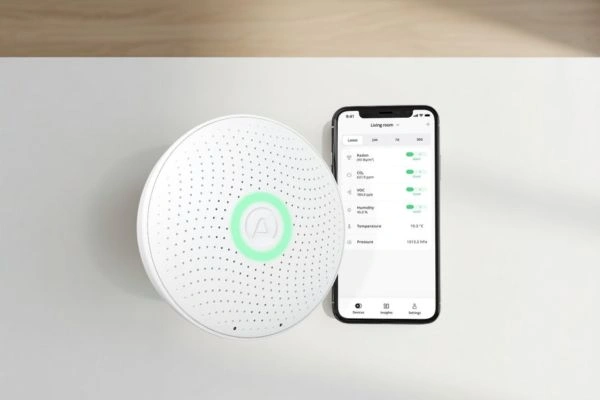
8. Airthings 2930 Indoor Air Quality Monitor
This premium sensor goes beyond standard environmental monitoring by tracking air quality, including harmful gases and pollutants. It can integrate with Alexa to provide insights and trigger air purifiers or ventilation systems when needed. The device supports advanced reporting and historical data tracking to help improve indoor health. Its sleek design allows it to fit unobtrusively into any room. Users benefit from real-time notifications and actionable recommendations for better air quality. Experts note that it is particularly useful for households with children, pets, or allergy concerns.
Smart Home Sensors For Everyday Life
Smart home sensors can change how everyday routines work. Here are common ways people use them around the house:
Security And Alerts
Motion and contact sensors can alert you when unexpected movement or entry happens. They can tie into Alexa to send notifications or trigger lights and alarms for safety.
Energy And Lighting Automation
Motion sensors can automatically turn lights on when someone enters a room and off when it’s empty. This adds convenience and helps save energy over time.
Climate And Comfort Control
Temperature and humidity sensors keep an eye on environmental conditions. When paired with smart thermostats, this data can help maintain ideal comfort levels while managing energy use.
Air Quality And Health
Devices that track air quality provide warnings about poor conditions and can trigger air purifiers or fans as part of a health‑focused automation routine.
Tips For A Better Smart Sensor Setup With Alexa
Making smart sensors work well takes a bit of planning. These tips help ensure your system runs without hiccups:
Choose The Right Hub If Needed
Some sensors require a hub for connection. If your device uses Zigbee or a similar protocol, a compatible hub such as an Echo with built‑in support or a dedicated bridge can improve reliability.
Standardize Your Protocols
Using sensors that share similar protocols (Wi‑Fi or Zigbee) and ensuring compatibility with Alexa reduces the need for multiple apps or interfaces to manage devices.
Place Sensors Thoughtfully
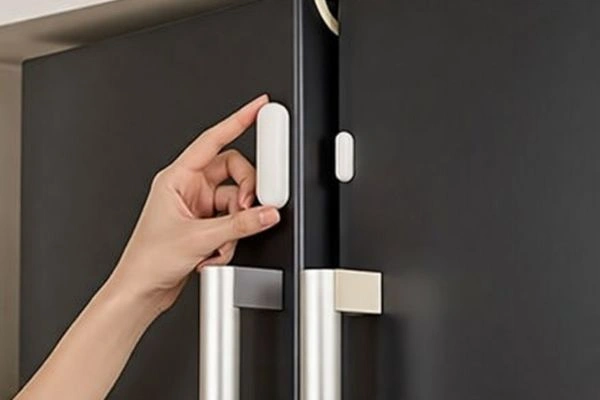
Position motion sensors where activity is expected, like hallways or entry points. Door sensors should be placed at the edge of doors and windows. Environmental sensors perform best in open areas away from direct sunlight or vents.
Use Routines And Automation
Alexa routines let sensors trigger other actions. For example, set a routine that turns lights on and adjusts thermostat settings when motion is detected in the morning.
Frequently Asked Questions
What Are The Best Smart Home Sensors For Alexa?
Top choices include TP-Link Tapo T100, Aqara Motion Sensor P1 Trio, Xiaomi Dw-s02d, and Airthings 2930. They offer reliable performance and Alexa integration.
How Do Smart Home Sensors Work With Alexa?
Sensors connect via Wi-Fi or hubs and trigger routines like lights, alerts, or thermostat adjustments.
What Types Of Smart Home Sensors Should I Use?
Motion, contact, temperature/humidity, and air quality sensors cover security and environmental needs.
Are Smart Home Sensors Hard To Install?
Most attach easily with adhesive or mounts and set up quickly via the Alexa app.
Can Smart Home Sensors Improve Home Security?
Yes, they monitor doors, windows, and motion and send alerts for unexpected activity.
Do Smart Home Sensors Save Energy?
Yes, they automate lighting and climate control to reduce unnecessary energy use.
How Long Do Smart Home Sensors Last?
Battery life varies, often lasting months to years depending on usage.
Are All Smart Home Sensors Compatible With Alexa?
No, check specs. Some need hubs, but Alexa-certified devices integrate smoothly.
Can Smart Home Sensors Monitor Indoor Air Quality?
Yes, advanced sensors like Airthings 2930 track pollutants and trigger purifiers or alerts.
Which Rooms Benefit Most From Smart Home Sensors?
Entryways, living rooms, kitchens, bedrooms, and offices see the most value.
Maximizing Convenience with the Best Smart Home Sensors for Alexa
Choosing the best smart home sensors for Alexa means matching your specific needs to devices that offer reliability, ease of use, and powerful automation. From motion detection to climate monitoring, today’s sensors bring real value to everyday life. Whether the goal is safety, comfort, convenience, or energy savings, the sensors listed here reflect solid options backed by current reviews and user feedback.
Setting up smart sensors may take a bit of time, but once they are in place, they can transform the way a home operates by reacting to real‑world conditions and freeing residents from manual control. With the right choices and thoughtful placement, any smart home can be smarter, safer, and more responsive than ever.