

Wallpaper has made a huge comeback in home design, and buyers are investing in styles that bring personality, depth, and beauty to interior spaces. Modern wallpapers are nothing like old paper patterns with peeling edges. Today’s wallpaper options include premium textures, bold prints, custom murals, and materials built for easy cleaning and long life. Whether redoing a living room, bedroom, or bathroom, following the latest wallpaper trends can make a room feel luxurious and thoughtfully designed.
This guide offers practical tips to help your wallpaper look expensive and a list of common mistakes to avoid so that your walls feel polished instead of messy or overwhelming. It also includes comparisons with paint, brand recommendations, and a useful FAQ section to answer questions homeowners often have before committing to wallpaper.
Why Wallpaper Is Back In Style and Worth It
For many years, wallpaper was viewed as dated or too busy. Plain painted walls replaced patterned designs because they felt cleaner and easier to update. Lately, the conversation about walls has shifted again. Designers and homeowners alike are choosing wallpaper because it can provide texture, color, pattern, and a feeling that plain paint cannot match.
Several factors are driving this renewed interest. Printing and material technology have advanced, making wallpaper more durable, washable, and easier to install than in the past. Removable peel-and-stick options make DIY installation more accessible. Many wallpapers are designed to handle moisture, which means they can be used in kitchens and bathrooms where older wallpapers would not hold up.
Interior design inspiration across social media and home improvement sites has also boosted interest. People are no longer afraid to experiment with bold patterns or murals. Wallpaper is now often used as a focal point, such as behind a bed frame, around a dining area, or in a home office.
Expert Tips to Master Wallpaper Trends Like a Pro
Tip 1: Pick The Right Pattern And Scale
One of the easiest ways to make wallpaper look expensive is through thoughtful pattern and scale selection. Large, sweeping designs or soft organic patterns tend to feel more refined than tiny, busy prints that can make a room feel cluttered.
Consider Room Size
In small rooms, large patterns can make walls feel like they are closing in. In these spaces, choose medium-scale prints or subtle textures that add interest without overwhelming. In larger rooms, bigger patterns can make a bold statement that feels intentional and luxe.
Choose Patterns That Match The Mood
Different patterns convey different moods. Botanical prints, soft watercolor designs, and textural grasscloth evoke calm and sophistication. Geometric or abstract prints add modern flair. A mural or panoramic scene behind a sofa or bed can feel custom and high-end.
Example Brands
- Farrow & Ball Textured Series offers subtle, elegant textures that feel more expensive than flat color.
- Graham & Brown Contemporary Collection includes geometric and artistic prints that can elevate modern interiors.
- Anthropologie Walls Limited Edition features unique and artist-inspired wallpapers that feel like art on the wall.
Choosing the right pattern and scale helps set the tone for the entire space.
Tip 2: Use Wallpaper As An Accent, Not A Cover-All
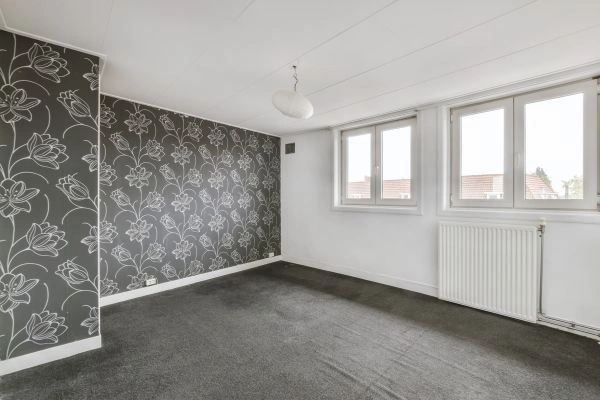
Covering every wall in a bold pattern can feel overwhelming, especially in spaces with limited natural light. Instead, choose one wall as the focus and use wallpaper there. This technique, often called a feature wall, draws attention without overcrowding the room.
How To Select The Feature Wall
A good feature wall is usually one that:
- Faces the room upon entry
- Has an architectural element like a fireplace or built-in shelving
- Frames a bed headboard, dining table, or sofa
Once the feature wall is chosen, paint the remaining walls a complementary neutral. This balances visual interest and keeps the space from feeling chaotic.
When To Wallpaper Multiple Walls
In larger rooms or areas with open floor plans, extended wallpaper coverage can work if:
- The pattern is subtle and not overpowering
- The room has consistent lighting and high ceilings
- Other design elements are minimal
In these cases, wallpaper can unify the space and give it a cohesive, high-end look.
Tip 3: Coordinate With Furniture And Decor
Wallpaper should feel like part of a room, not something added as an afterthought. To make it look expensive:
Match The Color Palette
Choose wallpaper colors that work with the tones already present in furniture, rugs, and accessories. If a room has warm wood tones, find wallpaper with warm undertones. For cool greys or blues, select patterns that include these hues to create harmony.
Balance With Textures
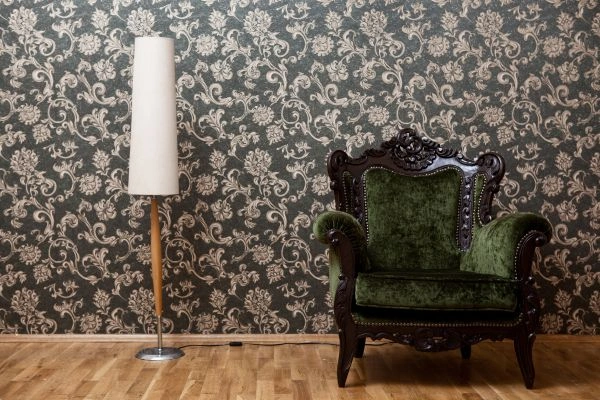
If wallpaper has a strong visual texture, pair it with soft fabrics like velvet cushions or matte wood finishes. A mix of textures adds richness and avoids a flat, one-dimensional feel.
Keep Other Patterns Simple
If wallpaper has a bold pattern, avoid lots of additional prints on curtains or upholstery. Instead, choose solids or simple designs that let the wallpaper take center stage.
Tip 4: Invest In High-Quality Materials And Installation
Cheap wallpaper often looks cheap. Visible seams, bubbles, or rough edges give the impression of a rushed job. High-end materials and careful installation make a big difference.
Choose Durable And Luxurious Materials
- Vinyl wallpaper is a luxury choice that holds up well in high-traffic areas and handles cleaning.
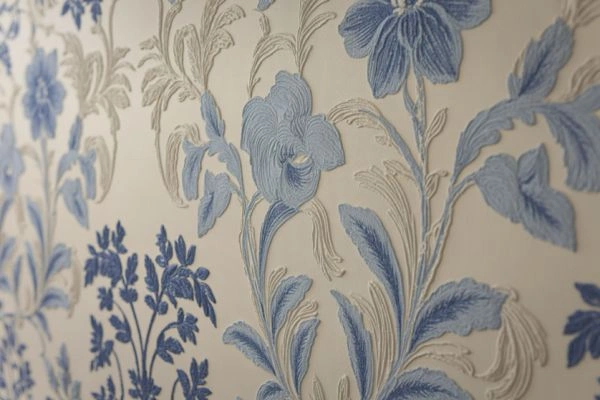
- Textile-inspired wallpapers like grasscloth, linen, or woven materials add depth and sophistication.
- Metallic finishes give shimmer without being flashy when chosen carefully.
Consider Professional Installation
Even the best wallpaper can look off if installed incorrectly. Professional installers know how to:
- Match patterns at seams
- Minimize bubbles and misalignments
- Prepare walls for the best adhesion
If budget is a concern, peel-and-stick options can look great with careful DIY installation, but advanced materials may still benefit from expert hands.
Tip 5: Layer With Lighting And Accessories
Wallpaper interacts with light in interesting ways. It can look bold, muted, rich, or subtle depending on how light hits it.
Use Lighting To Enhance Texture
Accent lights, wall sconces, and floor lamps can highlight textured or metallic wallpaper and create a warmer, more inviting atmosphere. Soft overhead lighting helps balance a bold pattern without washing it out.
Coordinate Accessories
Mirrors, artwork, and decor that pick up tones from the wallpaper add cohesion. Choose frames and accessories that echo the room’s palette to reinforce the design theme.
Wallpaper Compared With Paint And Other Wall Treatments
Choosing wallpaper or paint depends on aesthetic goals, budget, and practical needs. Both can look great when done right, but they serve different purposes.
Style And Impact
Paint offers simplicity and ease. It works well in minimalist spaces or where the goal is a calm, uniform backdrop. Wallpaper offers texture and character that paint cannot match, making walls look more intentional.
Durability
High-quality wallpaper, especially vinyl or washable types, resists stains and cleans easily. It holds up in high-traffic areas like hallways and dining rooms. Paint is easy to touch up but may show scuffs more easily than some textured wallpapers.
Cost And Installation
Paint is generally cheaper and easier to apply. Most homeowners can handle basic painting with little experience. Wallpaper can cost more, especially with professional installation and high-end materials, but it also adds more design impact.
Best Rooms To Use Wallpaper
Wallpaper can enhance almost any room, but some areas benefit more than others.
Living Rooms
In living rooms, wallpaper adds personality without crowding the space. A feature wall behind a sofa or media center can make the room feel intentional and well-designed.
Dining Rooms
Rich textures and patterns elevate formal spaces like dining rooms. Pairing wallpaper with wood furniture and warm lighting can make meals feel more special.
Bedrooms
Soft, calming wallpapers create restful atmospheres. Accent walls behind the bed help frame sleeping spaces without overwhelming them.
Children’s Rooms
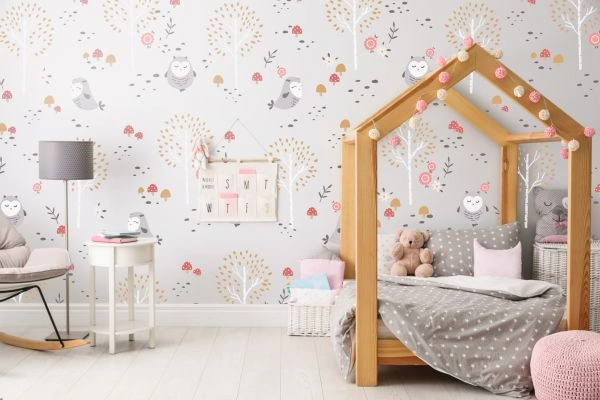
Playful prints and murals add whimsy to children’s spaces. Peel-and-stick options make updates easier as tastes change.
Bathrooms And Kitchens
Choose moisture-resistant wallpapers for kitchens and bathrooms. Vinyl or washable wallpapers designed for humidity keep walls looking fresh and clean.
Popular Wallpaper Brands And Collections
Choosing the right wallpaper often starts with knowing where to look. Some brands stand out because they combine design quality, durability, and style variety.
- Graham & Brown Contemporary Collection offers geometric and artistic designs ideal for living rooms and entryways.
- Farrow & Ball Textured Series blends handcrafted patterns with elegant textures, perfect for traditional and modern spaces alike.
- Anthropologie Walls Limited Edition features creative and artistic prints that work well as focal points.
- Tempaper Peel And Stick provides removable options that are great for renters or seasonal updates.
- Spoonflower Custom Prints lets homeowners create designs based on personal images or art, making each room truly unique.
Wallpaper Cost Considerations
Budgeting for wallpaper involves several factors beyond the price of the roll.
Material Quality
Vinyl and textile wallpapers generally cost more than basic paper types. Textured or specialty finishes like metallic or hand-painted details add to the cost but elevate the finished look.
Room Size
Larger rooms naturally require more material, increasing both material and installation costs. Irregular wall shapes or high ceilings add complexity.
Installation Fees
Professional installers charge based on experience and region. Simple patterns cost less to align than complex designs with repeats that must match precisely.
Total Value
Wallpaper installation can be moderate to high in cost compared with paint, but thoughtful design impact often outweighs the price for many homeowners, especially in focal areas of a home.
How To Choose The Right Wallpaper
Choosing wallpaper involves more than picking a pretty pattern.
Consider Room Function
High-traffic and moisture-prone rooms need durable materials. Bathrooms and kitchens require moisture-resistant options. Living rooms and bedrooms can handle richer textures.
Match Decor Style
Spaces with minimalist decor may benefit from subtle patterns. Eclectic rooms welcome bold designs.
Test Samples First
Wallpaper patterns look different on walls than online or in a store. Put samples up for a few days to see how lighting affects color and texture.
Think About Longevity
Trends change, but classic patterns and neutral tones last longer. Choose timeless designs for main living spaces and bold ones for accent walls.
Wallpaper Done Right Makes All The Difference
Wallpaper is no longer just a trend. It has become a valued design tool that adds depth, character, and polish to interior spaces. With so many materials, patterns, and installation options available, it is easier than ever to find wallpaper that feels intentional and luxurious.
The most successful wallpapers are chosen with care and applied with purpose. Pairing patterns with the right lighting, scale, and decor helps create spaces that feel unified and elegant. Whether someone wants a quiet, calm space or a bold and dramatic statement, wallpaper has the power to transform a room.
Wallpaper is here to stay, and with the right decisions, it can make any space feel more inviting and stylish.