


Hydroponic growing systems are changing the way people around the world grow plants. These soil-free systems use nutrient-rich water to feed plants directly at the roots, helping plants grow faster, use less water, and produce higher yields compared with traditional soil gardening. If you have ever wondered what is a hydroponic growing system, it is a modern method of cultivating plants without soil while delivering nutrients directly through water. This guide explores what is a hydroponic growing system, how it works, how it can be used, expert opinions, and the latest developments in the field.
Understanding what is a hydroponic growing system helps explain why this soil-free method is becoming popular among both beginners and experienced growers. This article breaks down the essentials of hydroponics, explains how to use a hydroponic growing system, offers a step-by-step setup guide for an indoor setup, and highlights expert reviews and rankings to help choose the best options today.
Understanding Hydroponics And Plant Growth
Hydroponics is a method of farming without soil. Instead of planting seeds in dirt, plants grow in a water solution filled with the exact mix of nutrients they need to thrive. The roots absorb these nutrients directly from the water, which saves energy and speeds up growth compared with traditional soil gardening.
In a hydroponic setup, many factors are controlled for ideal plant development. Grow lights, water pH levels, nutrients, and airflow can all be tuned to match what each plant species needs. This level of control helps people grow crops year‑round, even if they live in places with harsh weather or limited outdoor space.
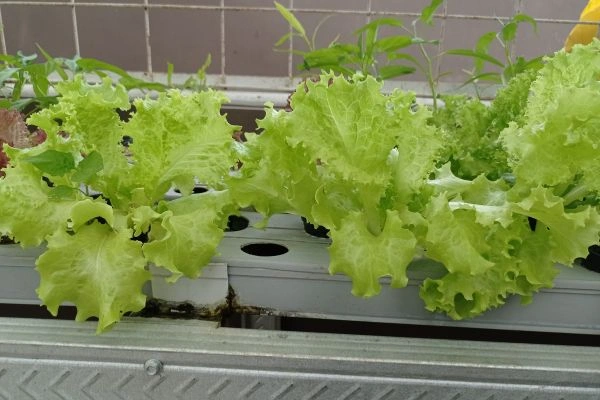
Common Hydroponic Methods
There are many types of hydroponic systems, each with strengths and specific uses. Popular types include:
- Deep Water Culture, where roots are suspended directly in the nutrient solution
- Nutrient Film Technique (NFT) with a thin stream of water running over plant roots
- Aeroponic Systems that mist roots with nutrients and oxygen
- Ebb and Flow Systems that periodically flood and drain plant trays
Different methods work best for different plants and grower goals. Some are ideal for herbs and leafy greens, while others are designed for larger fruiting plants.
What Is a Hydroponic Growing System And Why Does It Matters
At its core, a hydroponic growing system focuses on growing plants without soil using water infused with nutrients. This approach has big advantages for both beginners and experienced gardeners.
Increased Environmental Control
Plants growing hydroponically are not affected by soil quality or weather. Growers can control:
- Nutrient levels
- Light
- Temperature
- Water conditions
This means plants have fewer stressors and often grow more consistently.
Water Efficiency
Hydroponics uses water much more efficiently than soil gardening. Since water is recirculated in most systems, waste from runoff or evaporation is much lower. Some setups use up to 90% less water than traditional agriculture methods.
Year‑Round Growing
With an indoor hydroponic growing system, plants can be produced regardless of season or climate. This is one of the most appealing benefits for urban growers or people living in cold climates.
Less Need For Pesticides
Without soil, there are fewer chances for soil‑borne pests and diseases. Growers can focus on nutrients and light instead of dealing with weeds.
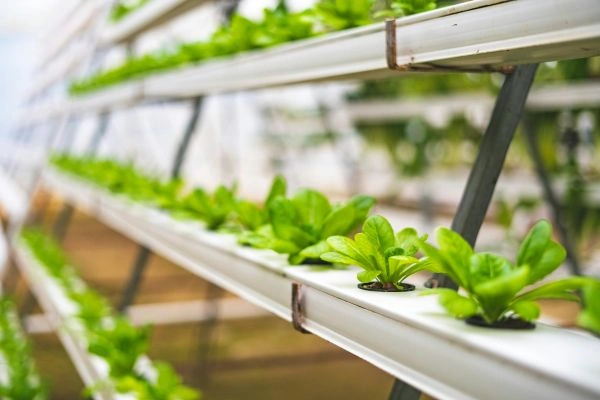
How To Use A Hydroponic Growing System
Using a hydroponic system might seem technical at first, but it can be straightforward with the right setup. The basic steps include setting up the structure, preparing the nutrient solution, monitoring environmental conditions, and harvesting successfully.
Step‑By‑Step Guide To Setting Up An Indoor Hydroponic Growing System
Here is a simple process anyone can follow:
1. Choose The Space: Decide where you want to set up your system. A basement, spare room, or even a kitchen corner can work. Ensure there is access to electricity and good ventilation.
2. Select a System Type: Decide on the hydroponic method you want. For beginners, tabletop systems like deep water culture or simple nutrient film systems are easy to manage.
3. Install Grow Lights: Indoor systems need full‑spectrum LED grow lights to replicate sunlight. Place lights at the correct distance from plants to avoid burning or stretching.
4. Add The Reservoir And Nutrients: Fill your reservoir with water and add a balanced nutrient mix designed for hydroponics. Test the pH level regularly and adjust to the ideal range for your plants.
5. Place Plants in Growth Medium: Even without soil, plants need support. Use rock wool, coconut coir, or clay pellets to hold roots while they access nutrients.
6. Monitor Water and Environmental Conditions: Check the water level, pH, temperatures, and humidity regularly. A small pump and timer can help automate water movement and nutrient distribution.
7. Feed and Tend Plants: Replace or top up the nutrient solution regularly. Train vines or stems as they grow, and trim excess leaves to promote airflow.
This setup makes growing herbs, salad greens, and even larger crops like tomatoes possible indoors. Having a systematic process helps ensure consistent results.
Learning Benefits Of Hydroponic Growing
Hydroponics is not only a tool for food production. It has powerful educational value and encourages learning in science, technology, and sustainability.
Hands‑On Learning In Schools
Many schools are now installing hydroponic systems as part of their curriculum. Students learn about plant biology, nutrition, water chemistry, and food production while watching plants grow from seed to harvest. These systems make abstract science concepts real and interactive in the classroom.
Real‑World Science And Technology Integration
Hydroponic systems often involve sensors, data tracking, and automated controls. Students and hobbyists learn real skills related to environmental control, electrical systems, and plant science. Technology like IoT sensors and even machine learning is now being tested in advanced hydroponic farms to manage plant health and water quality.
Sustainability And Food Security Awareness
Using hydroponics helps people think differently about food production and local food systems. In many urban areas, fresh produce is limited or expensive. Hydroponics offers a way to grow food locally and sustainably while reducing water usage and transportation emissions.
Feature‑Specific Search: Choosing The Right System
Choosing a hydroponic system depends on personal needs, space, and goals. Below are categories to help refine your search and decision.
Best For Beginners
- Compact countertop systems
- Simple deep water culture or wick systems
- Options with clear instructions and minimal setup
These systems are perfect for new gardeners who want to grow herbs or small greens without much technical setup.
Best For Urban Farming
- Multi‑shelf units with LED lights
- Larger reservoirs for more plants
- Systems that use vertical space efficiently
These are ideal for city dwellers who want to grow more produce within a small footprint.
Best Smart Hydroponic Systems
- WiFi or app‑connected grow systems
- Automated lighting and watering
- Built‑in sensors
Smart systems are excellent for people who want to automate their grow environment and monitor conditions from a phone.
Best For Large Harvests
- Tower systems with many plant sites
- Systems that support vegetables and fruiting plants
- Professional-grade lighting and climate control
Larger systems are suited for growers who want heavy yields or commercial small‑scale production.
Expert Reviews And Rankings From 2026
The latest reviews and expert roundups reveal how hydroponic systems stack up in real use. Reviews focus on performance, ease of use, design, and overall value.
Top Picks In Hydroponic Growing
Experts and reviewers have highlighted several standout systems available now:
- AeroGarden Farm XL – This system gets top marks for its large capacity and mobile app controls. Reviewers report strong yields and reliable performance, especially for leafy greens and herbs.
- Gardyn Home 4.0 – Award‑winning indoor garden designed with smart features. It can grow many types of plants at once, has automated lights and watering, and offers easy control through a dedicated app. While the cost can be high, its performance and convenience make it a leader in advanced indoor systems.
- Auk Mini Indoor Garden – This device stands out for simplicity and design. Its open system allows growers to use their own seeds rather than proprietary pods. Users appreciate its minimalist look and easy setup.
Community and hobbyist reviews also mention clever finds from user forums, such as smart WiFi systems that manage watering and lighting automatically, making hydroponics accessible even for novices.
These systems show that whether your focus is on maximizing yields, educating others, or simply growing fresh food at home, there is a hydroponic solution for every need.
Frequently Asked Questions
What is a hydroponic growing system?
A hydroponic growing system is a method of growing plants without soil. Plants receive nutrients directly from a water-based solution, allowing faster growth, higher yields, and year-round indoor cultivation.
How to use a hydroponic growing system?
To use a hydroponic growing system, set up a water reservoir, add nutrient solution, place plants in a growth medium, provide light, and monitor pH and water levels regularly. Automated pumps and timers can simplify maintenance.
How to build a hydroponic growing system?
Building a hydroponic growing system involves choosing a system type (like deep water culture or nutrient film technique), assembling the reservoir and grow trays, installing grow lights, adding nutrient-rich water, and placing plants in a support medium such as clay pellets or coconut coir.
What is an indoor hydroponic growing system?
An indoor hydroponic growing system is a soil-free setup designed for growing plants indoors. It uses grow lights, controlled nutrients, and water circulation to allow year-round production of vegetables, herbs, and greens in small spaces.
Why choose a hydroponic growing system over traditional gardening?
Hydroponics uses less water, eliminates soil-borne pests, allows precise nutrient control, and can produce food year-round indoors, making it ideal for urban or space-limited environments.
Optimizing Your Hydroponic Growing System for Success
Hydroponic growing systems are reshaping how people cultivate food and explore plant growth. These systems are not only efficient but also highly flexible, allowing plants to thrive in spaces where traditional gardening might not be possible. From small apartment corners to dedicated indoor farms, hydroponics makes year-round growth achievable while conserving water and reducing reliance on soil. Understanding the fundamentals of how to use a hydroponic growing system, such as nutrient management, lighting, and environmental control, ensures that plants reach their full potential and deliver consistent, high-quality yields.
Maximizing the benefits of a hydroponic growing system goes beyond setup. Regular monitoring of water levels, pH, and nutrient balance, along with proper plant maintenance, allows growers to optimize growth and prevent common problems. Whether starting with a beginner-friendly kit or expanding to an advanced indoor hydroponic growing system, knowledge and attention to detail make a significant difference. With careful planning and consistent care, anyone can unlock the full potential of their hydroponic system, producing fresh, nutritious produce and gaining valuable insight into sustainable and innovative gardening techniques.