

Shelves are one of the most useful and misunderstood elements in home design. They promise storage, personality, and visual interest, yet they often become magnets for clutter. One day, they are styled beautifully, and a few weeks later, they are overflowing with random books, half-burned candles, souvenirs, and objects that seemed important at the time. The challenge is not whether to use shelves, but how to style them so they feel curated rather than chaotic.
Styling shelves without clutter is about restraint, balance, and storytelling. It is not about having less personality, but about letting the right pieces breathe. When shelves are styled thoughtfully, they can elevate an entire room, making it feel calm, intentional, and lived in rather than staged or messy.
Understanding the Difference Between Styled and Cluttered
The line between styled and cluttered is thinner than most people realize. Clutter happens when too many items compete for attention or when objects lack a clear relationship with one another. Styled shelves, on the other hand, guide the eye. Each piece has a purpose, whether functional, decorative, or sentimental.
A good rule of thumb is that clutter feels accidental, while styling feels deliberate. When you can explain why an item is on a shelf and how it contributes to the overall look, you are likely on the right track.
12 Must-Know Styling Shelves Secrets Without Clutter
1. Start With a Clean Slate
Before styling any shelves, remove everything. This step feels tedious, but it is essential. Starting with a blank canvas allows you to evaluate what you actually want to display rather than working around what is already there.
As you remove items, sort them into categories. Keep, relocate, store, or donate. Many shelves end up cluttered because they are asked to do too much. Not everything needs to live on display. Shelves work best when they showcase a curated selection, not an entire life inventory.
Once the shelves are empty, wipe them down. A clean surface sets the tone and makes whatever you place back on it feel more intentional.

2. Decide the Purpose of Each Shelf
One of the most effective ways to avoid clutter is to assign a loose purpose to each shelf or section. This does not mean strict rules, but it creates a framework.
For example, a top shelf might be primarily decorative, featuring art objects or sculptural pieces. A middle shelf could balance books and decor, while a lower shelf could hold more functional items, such as baskets or storage boxes.
When shelves lack purpose, items tend to pile up randomly. Purpose creates boundaries, and boundaries prevent clutter.
3. Embrace Negative Space
Negative space is the empty area around objects, and it is just as important as the objects themselves. Shelves that are filled edge-to-edge often feel heavy and overwhelming, even if the items are beautiful.
Leaving space allows each piece to stand out and gives the eye a place to rest. It also creates a sense of calm and sophistication. Do not feel pressured to fill every inch. A shelf that is only partially filled often looks more intentional than one that is packed.
If you find yourself wanting to add more, step back and ask whether the shelf already looks complete. Often, less really is more.
4. Choose a Limited Color Palette
A cohesive color palette can instantly make shelves feel more organized. This does not mean everything needs to match perfectly, but sticking to a general range of tones helps create harmony.
Neutral palettes work exceptionally well for shelves. Whites, creams, wood tones, black, and muted metals create a timeless, easy-to-maintain look. You can add interest through texture rather than color.
If you love color, use it intentionally. A few colorful book spines or a single bold object can act as a focal point without overwhelming the shelf.
5. Mix Heights, Shapes, and Textures
Variety is essential for visual interest, but it must be balanced. Shelves look best when they include a mix of tall and short items, round and angular shapes, and different textures.
Stack books horizontally and vertically to vary height. Pair smooth ceramics with rough stone or woven baskets. Combine glossy finishes with matte surfaces.
The key is contrast with control. Too much variety can feel chaotic, while too little can feel flat. Aim for a rhythm that feels natural.
6. Use Books as Design Elements
Books are one of the easiest and most effective tools for styling shelves. They add height, color, and personality. However, too many books can quickly turn into visual clutter.
Edit your book collection. Display the ones you love, or that fit the room’s aesthetic. Others can be stored elsewhere. You can also remove dust jackets for a cleaner, more uniform look.
Use books as platforms for smaller objects. Placing a decorative piece on top of a stack adds dimension and keeps the shelf from feeling flat.

7. Incorporate Personal Objects Thoughtfully
Shelves should reflect who you are, but that does not mean every souvenir or memory needs to be displayed at once. Personal objects are most impactful when they are chosen selectively.
A framed photo, a travel memento, or a handmade item can emotionally anchor a shelf. Give these pieces space so they feel special rather than lost in a crowd.
Rotating personal items seasonally is a great way to keep shelves fresh without adding clutter. This also allows you to enjoy different pieces throughout the year.
8. Add Greenery for Life and Balance
Plants bring life to shelves and soften hard lines. They also add texture and a sense of movement. A trailing plant can break up rigid shelf lines, while a small potted plant adds a pop of freshness.
Choose plants that suit the room’s lighting conditions. Low-maintenance options like pothos, snake plants, or faux greenery can work well if natural light is limited.
Be mindful of scale. One or two well-placed plants are usually enough. Too many can make shelves feel crowded and hard to maintain.
9. Use Storage That Looks Good
Not everything on a shelf needs to be visible. Incorporating attractive storage solutions helps hide necessary but less beautiful items.
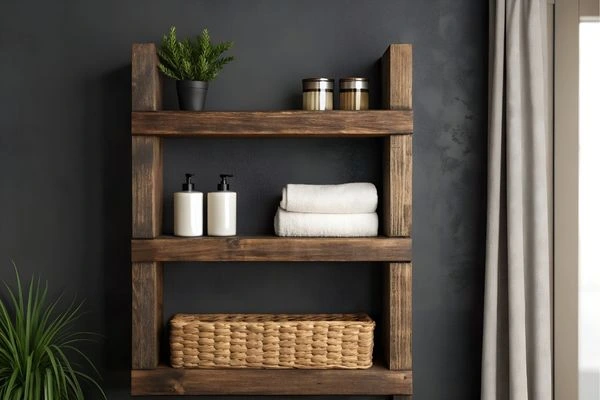
Baskets, boxes, and lidded containers can hold small objects while contributing to the overall look. Choose materials that complement the room, such as woven fibers, wood, or fabric.
Storage pieces should be used sparingly. When everything is hidden, shelves can feel sterile. The goal is balance.
10. Step Back and Edit Again
Once you have styled your shelves, please step back and look at them as a whole. Take a photo on your phone. This often reveals imbalances that are harder to see in person.
Ask yourself a few simple questions. Does anything feel crowded? Is there a clear focal point? Do your eyes move smoothly from one section to another?
Editing is an ongoing process. Removing one item often improves the entire composition.
11. Avoid Common Shelf Styling Mistakes
One common mistake is symmetry overload. Perfectly mirrored shelves can feel stiff and unnatural. Aim for balance rather than exact matching.
Another mistake is using shelves as catch-all spaces. Keys, mail, and random items quickly undermine even the best styling. Create designated drop zones elsewhere to protect your shelves.
Finally, avoid overdecorating. Shelves are not meant to display everything you own. They are meant to highlight what matters most.
12. Styling Shelves in Different Rooms
The function of shelves varies by room, and styling should reflect that. In living rooms, shelves often balance decor and entertainment. In kitchens, shelves may be more functional but can still be styled with care.
In bedrooms, shelves benefit from a softer approach. Fewer items, calming colors, and personal touches work best. In home offices, shelves can mix storage and inspiration without feeling cluttered.
Understanding the room’s context helps guide styling decisions.
Let Shelves Evolve Naturally
Letting shelves evolve naturally is what keeps them feeling real rather than staged. A shelf that never changes often looks frozen in time, like a showroom display that no one actually lives with. Life shifts, seasons change, interests grow, and shelves should reflect that rhythm. A new book you loved, a framed photo from a recent trip, or an object picked up along the way deserves a moment in the spotlight. When shelves are allowed to evolve, they quietly document your life without trying too hard to impress anyone.
That said, evolution works best with gentle check-ins. Every few months, take a step back and look at your shelves with fresh eyes. Items tend to accumulate without permission, and suddenly a carefully styled shelf starts feeling busy or heavy. A quick edit, removing one or two pieces, rearranging heights, or swapping something out, is often enough to restore balance. Think of it as a reset rather than a redesign. You are not starting over; you are just refining.
When shelves are styled with ongoing care, they move beyond basic storage and become visual anchors in a room. They help set the tone, whether calm and minimal, warm and layered, or creative and eclectic. More importantly, they support how the space is used. A living room shelf can feel inviting, a workspace shelf can inspire focus, and a bedroom shelf can reinforce a sense of calm. Intentional evolution keeps shelves aligned with your life, your mood, and the way you actually live, which is the whole point in the first place.
Creating Calm and Curated Shelves
Styling shelves without clutter is not about strict rules or minimalist extremes. It is about creating a balance between beauty and function, personality and restraint.
When shelves are thoughtfully styled, they bring calm to a room rather than chaos. They tell a story without shouting and invite the eye to linger. With a clear purpose, a curated selection, and the courage to leave space empty, your shelves can become one of the most satisfying design elements in your home.