
How To Create A Home Kitchen That Makes Cooking Fresh Meals Easier And More Enjoyable

A well-planned home kitchen does more than look attractive. It helps make everyday cooking simpler, faster, and less stressful. Whether preparing a quick weekday dinner or spending an afternoon trying a new recipe, the way a kitchen is organized has a direct impact on how enjoyable the experience becomes.
Many people assume creating a better kitchen requires a complete renovation. In reality, thoughtful organization, practical storage, proper lighting, and a few functional upgrades often make a bigger difference than expensive remodeling projects. Small improvements can reduce clutter, save time, and encourage cooking fresh meals more often.
The best kitchens are designed around daily habits instead of trends. A space that keeps essential tools within easy reach, provides enough work surface, and supports safe food preparation makes cooking a routine that feels comfortable rather than overwhelming.
Why A Well-Planned Kitchen Makes Everyday Cooking Easier
Cooking involves dozens of small tasks. Ingredients need to be washed, chopped, mixed, cooked, and stored. If the kitchen layout makes those steps inconvenient, even a simple meal can feel frustrating to prepare.
An efficient kitchen minimizes unnecessary movement. Frequently used cookware stays close to the stove, knives remain near the preparation area, and commonly used ingredients are stored where they are easy to reach. These simple adjustments reduce time spent searching for equipment.
A practical layout also helps maintain focus while cooking. Instead of constantly moving between cabinets or clearing clutter from countertops, attention stays on preparing food safely and efficiently.
Plan The Home Kitchen Around Daily Habits
Every household uses its kitchen differently. Some people prepare elaborate dinners every evening, while others mainly cook quick breakfasts or meal-prep lunches for the week. Designing the space around real cooking habits creates better long-term results than copying showroom displays.
Start by observing how the kitchen is used most often. Identify where ingredients are prepared, where cooking takes place, and where clean dishes are stored. Rearranging cabinets to match these natural routines can improve efficiency without spending money.
For example, storing spices beside the stove, cutting boards near the main work surface, and mixing bowls near baking supplies reduce unnecessary movement throughout the room.
Create Functional Work Zones
Professional kitchens rely on work zones because they make cooking more efficient. The same concept works well in residential kitchens.
Most kitchens benefit from separating tasks into four basic areas:
Keeping related tools within each zone allows tasks to flow naturally from one step to the next.
Even small kitchens can use this approach. The zones may simply occupy shorter distances while still improving organization.
Keep Countertops Clear Without Losing Convenience
Countertop space is one of the most valuable parts of any kitchen.
While decorative items can add personality, excessive clutter reduces available workspace. Appliances used only occasionally may be better stored inside cabinets instead of occupying permanent counter space.
Aim to keep only frequently used items visible, such as:
- Coffee maker
- Knife block or magnetic knife strip
- Cooking oil
- Salt and pepper
- Fruit bowl if regularly used
Everything else can remain nearby but out of the way until needed.
A cleaner workspace also makes food preparation safer by reducing the chance of knocking items over while cooking.
Organize Cabinets For Faster Meal Preparation
Cabinets often become crowded over time, making it difficult to find ingredients or cookware.
Grouping similar items simplifies daily cooking. Baking ingredients belong in one area, canned goods in another, and food storage containers in a dedicated cabinet.
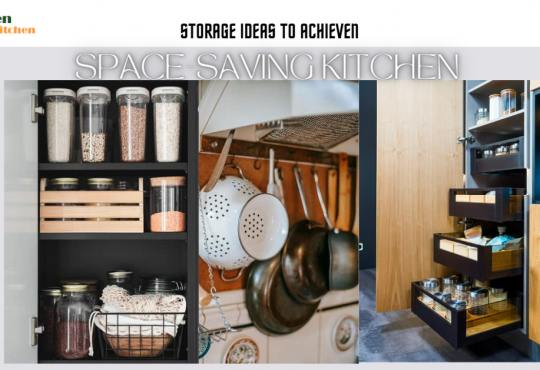
Clear storage containers can also improve pantry organization by making contents easy to identify. Labeling frequently used ingredients helps reduce confusion and supports better inventory management.
Rotating older pantry items to the front encourages their use before expiration and helps reduce food waste.
Improve Lighting For Better Visibility
Good lighting supports both safety and comfort.
Overhead lighting provides general illumination, but additional task lighting improves visibility where food is actually prepared. Under-cabinet lighting is particularly effective because it reduces shadows on countertops.
Natural daylight should also be used whenever possible. Keeping windows clean and avoiding heavy window coverings allows more daylight into the room, making the kitchen feel brighter and more inviting.
Warm lighting works well for dining areas, while neutral white lighting often provides better visibility for chopping, measuring, and reading recipes.
Invest In Essential Tools Instead Of Too Many Gadgets
Kitchen stores offer countless specialty tools, but many are rarely used.
A smaller collection of high-quality essentials usually provides greater value than drawers filled with single-purpose gadgets.
Useful everyday tools include:
- Chef’s knife
- Cutting board
- Mixing bowls
- Measuring cups and spoons
- Saucepans and frying pans
- Baking sheet
- Wooden spoon
- Silicone spatula
- Colander
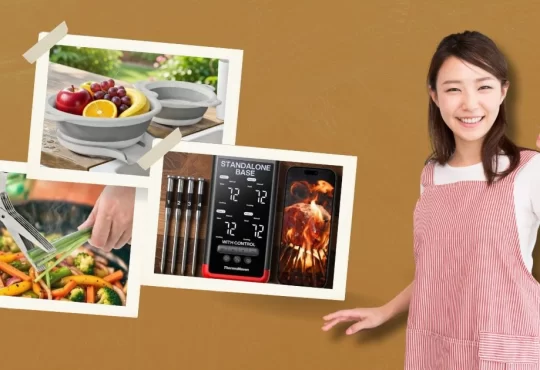
- Food thermometer
These items handle the majority of everyday cooking tasks without unnecessary duplication.
Choosing durable equipment also reduces replacement costs over time.
Make The Pantry Easy To Maintain
A well-organized pantry saves both time and money.
Store similar foods together so ingredients are easy to locate while cooking. Arrange shelves according to frequency of use, keeping everyday staples at eye level and seasonal items higher or lower.
Dry foods should remain in airtight containers whenever appropriate to help maintain freshness and reduce exposure to moisture or pests.
Reviewing pantry supplies regularly also prevents unnecessary duplicate purchases at the grocery store.
Choose Storage Solutions That Maximize Space
Storage should work with the available space in the home kitchen rather than against it.
Pull-out shelves improve access to deep cabinets, where items are often difficult to reach. Drawer organizers keep utensils separated, while vertical dividers make baking trays and cutting boards easier to store.
Wall-mounted rails, magnetic knife strips, and hanging hooks can free valuable drawer space without creating clutter.
In smaller kitchens, using cabinet doors for measuring spoons, pot lids, or cleaning supplies helps maximize every available inch.
Keep Food Safety Part Of Kitchen Design
An organized kitchen also supports safer food preparation.
Raw meat should always remain separate from ready-to-eat foods during storage and preparation. Color-coded cutting boards can help reduce the risk of cross-contamination.
The refrigerator should maintain the proper temperature for safe food storage, while leftovers should be refrigerated promptly after meals.
Regular cleaning of frequently touched surfaces, including handles, countertops, and sinks, helps maintain a hygienic cooking environment.
A food thermometer is another valuable tool because it confirms that meat, poultry, and seafood reach safe internal temperatures.
Add Comfortable Details That Encourage Cooking
A kitchen should be both functional and comfortable to use.
Background music, fresh herbs near a sunny window, comfortable anti-fatigue floor mats, and seating for family members can make cooking feel less like a chore.
Displaying frequently used cookbooks or keeping a digital recipe stand nearby also encourages experimenting with new dishes.
Small personal touches create a space where preparing meals becomes an enjoyable daily activity instead of simply another household task.
Plan Meals To Reduce Daily Stress
An organized kitchen works best alongside a simple meal planning routine.
Planning several meals before grocery shopping reduces unnecessary purchases and makes better use of ingredients already available at home.
Batch cooking ingredients such as roasted vegetables, cooked grains, or grilled chicken provides flexibility throughout the week. Prepared ingredients can easily be combined into different meals without starting from scratch every evening.
Keeping a grocery list in the kitchen also helps track pantry supplies before shopping trips.
Common Mistakes That Make Home Kitchens Less Efficient
Many home kitchens become harder to use because of a few common habits rather than poor design.
Avoid these mistakes whenever possible:
- Overcrowding countertops
- Keeping broken or rarely used gadgets
- Mixing unrelated items in the same drawer
- Ignoring pantry organization
- Using dull knives
- Storing frequently used items in hard-to-reach cabinets
Correcting these issues often improves efficiency immediately without requiring expensive upgrades.
Small Upgrades That Deliver Long-Term Value
Not every improvement requires remodeling.
Replacing cabinet hardware, installing pull-out organizers, adding under-cabinet lighting, or upgrading the kitchen faucet can improve functionality while staying within a modest budget.
Energy-efficient appliances may also reduce electricity and water consumption over time, particularly when replacing much older equipment.
Even repainting walls in lighter colors can make the kitchen feel brighter and more spacious without changing the overall layout.
Build A Home Kitchen That Works For Everyday Life
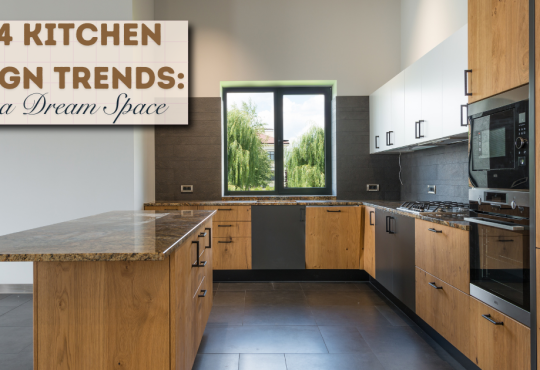
Creating a practical home kitchen is less about luxury features and more about thoughtful organization. Clear countertops, functional work zones, quality tools, proper lighting, and efficient storage all contribute to a space where preparing fresh meals becomes easier and more enjoyable.
The most successful kitchens support everyday routines instead of following passing trends. By focusing on convenience, safety, and organization, almost any home kitchen can become a place that encourages regular cooking, reduces stress, and makes spending time in the kitchen a more rewarding part of daily life.